

Spinal Cord Injuries, Pressure Sores and Septicemia: Prevention Starts with Awareness
Everyday life after a spinal cord injury can be full of new challenges – and one of the most serious risks that often goes unnoticed is the development of pressure sores. These sores can seem minor at first, but when left untreated, they can lead to infection and in severe cases, septicemia, a life-threatening blood infection. The good news? With the right care, prevention and management are completely possible.
Understanding the Risk
A spinal cord injury (SCI) affects the body’s ability to feel and move below the level of injury. Without normal sensation, a person may not feel discomfort or pain when pressure builds up on one area of the body – often the buttocks, tailbone, heels, hips or shoulders. Over time, this pressure restricts blood flow to the skin, leading to tissue breakdown and eventually a pressure sore (also called a pressure ulcer or bedsore).
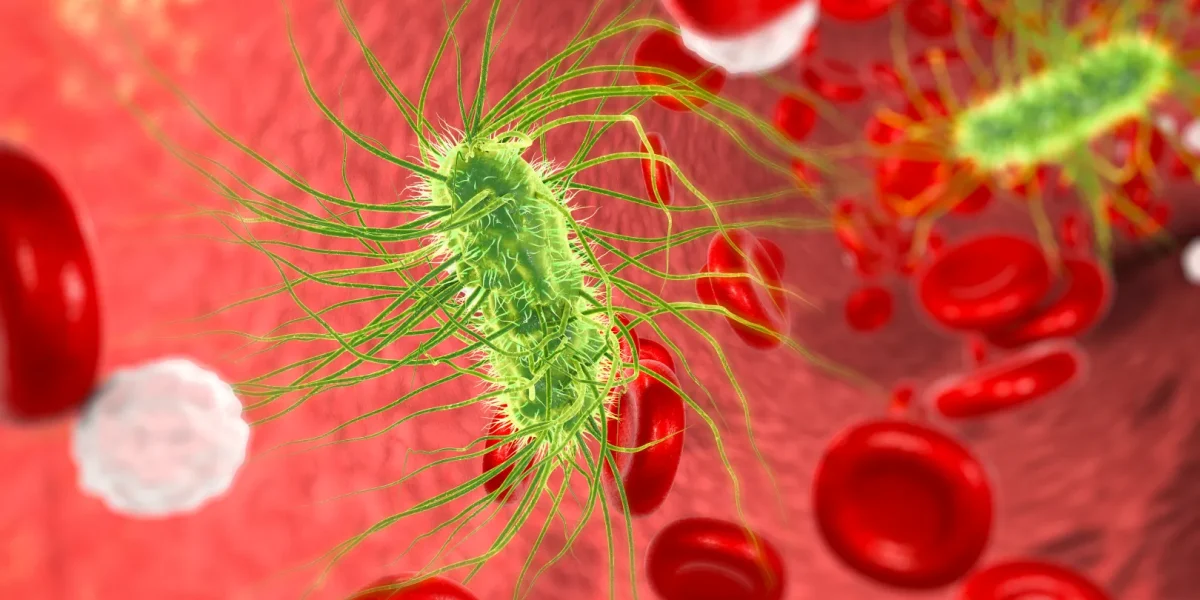
This is more than just a surface problem. Once the skin is damaged, bacteria can enter, causing an infection. If that infection spreads into the bloodstream, it can result in septicemia, a serious and potentially fatal condition.
Spot the Early Signs
Early detection makes all the difference. Check your skin daily or have a caregiver help. Look for:
• Redness or darkened skin that doesn’t fade when pressed
• Warm, swollen or tender areas
• Blisters, open wounds or drainage
• Unusual odor or fever (which may indicate infection)
These small changes are like early warning signals – the sooner you respond, the easier they are to treat.
How to Prevent Pressure Sores
Prevention is always better than treatment. A few key strategies can help reduce your risk dramatically:
1. Change positions regularly
• If you use a wheelchair, shift your weight every 15 – 30 minutes.
• In bed, aim to change position at least every 2 hours.
2. Use the right support surfaces
• Invest in a pressure-relieving cushion for your chair and a specialized mattress for your bed.
• Avoid sitting on hard or uneven surfaces.
3. Keep your skin clean and dry
• Gently cleanse skin with mild soap and water.
• Moisturize dry areas but avoid over-moisturizing or using products that trap moisture.
4. Maintain good nutrition and hydration
• Protein, vitamins (especially C and zinc), and water support healthy skin and tissue repair.
5. Stay active when possible
• Movement, even small shifts or passive exercises, helps improve blood flow and prevent stiffness.
If a Pressure Sore Develops
If you notice any sores or broken skin, seek professional help immediately. Don’t try to manage deeper wounds on your own. A healthcare team can:
• Clean and dress the wound properly
• Prescribe antibiotics if there’s infection
• Use pressure-relief techniques and specialized equipment
• Create a personalized care plan to support healing and prevent recurrence
Why Septicemia Is So Serious
When an infection from a sore spreads into the bloodstream, it becomes septicemia (sepsis). This is a medical emergency. Symptoms include fever, chills, rapid heart rate, confusion or dizziness. If you notice any of these, get medical attention immediately.
Your Daily Checklist
Think of this as your personal prevention routine:
• Check skin daily
• Shift position frequently
• Keep clean and dry
• Eat balanced meals and hydrate
• Use the right cushions and mattresses
Small, consistent habits are the key to staying healthy and independent.
Pressure sores are preventable – and septicemia is avoidable – with consistent care and awareness. Managing a spinal cord injury isn’t just about rehabilitation; it’s about protecting your body from silent risks that can have serious consequences.
So, take the time each day to move, check, and care for your skin – it’s the best investment in your long-term health and quality of life.
Written by: Josie Reynolds
Intern Biokineticist