

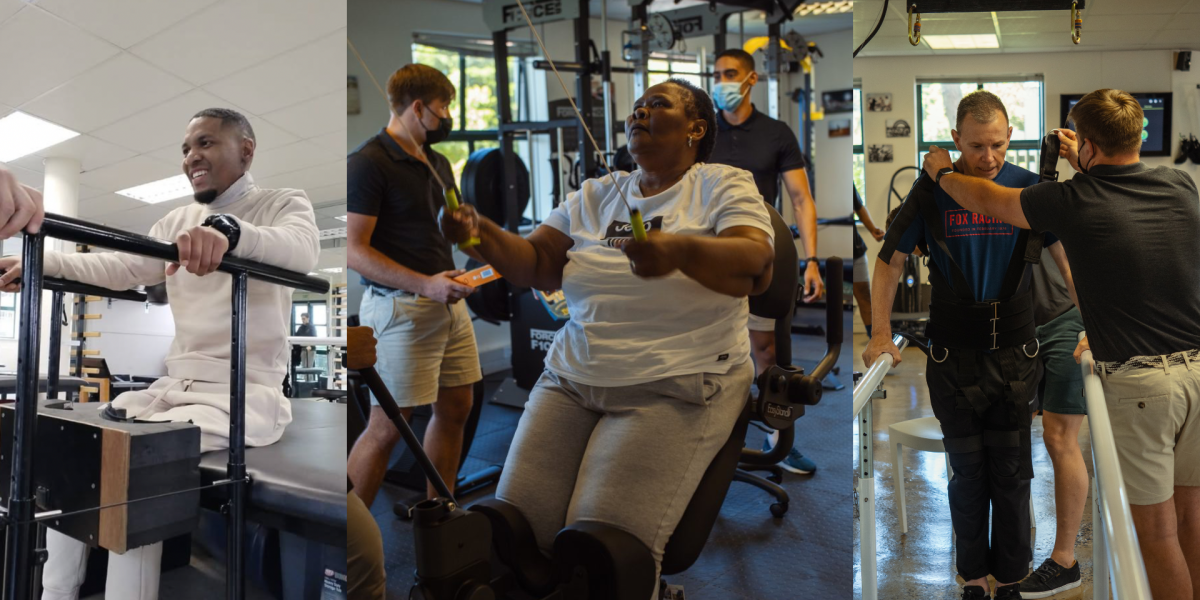
For individuals living with a spinal cord injury (SCI), standing is vital for long-term health and
function. Regular standing offers numerous physical and psychological benefits, even for
those who use a wheelchair for mobility.
Benefits of Standing
1. Improves blood circulation: When you stand, gravity helps your blood flow through your
legs and back to your heart.
2. Maintains bone density: Without regular weight-bearing bones can weaken over time,
increasing the risk of fractures and osteoporosis. Standing helps preserve and increase
bone mineral density, keeping your bones strong.
3. Aids digestion & bowel movement: Being upright allows gravity to help move food through
the digestive system, reducing issues such as constipation and bloating.
4. Reduces spasticity: Standing helps tight muscles (hamstrings, hip flexors, achilles tendon)
stretch and promotes relaxation, which in turn reduces an individual’s spasticity.
5. Promotes mental well-being: Standing provides a mental boost and improves mood. The
act of standing can foster a sense of participating in daily life.
Ways to Achieve Standing
The thought of standing may be one of excitement or it may be rather daunting. Either way,
there are several ways to achieve standing depending on your level of control, strength and
comfort. Options include using a standing frame for full-body support, knee blockers for
those with some trunk stability, or a semi-standing position using cushions under the hips to
gradually increase weight bearing.
Standing Precautions
However, standing must be approached with care. Important precautions include monitoring
for orthostatic hypotension (a drop in blood pressure when upright), low bone density (which
increases fracture risk), and poor stability or risk of falling. Each standing session should be
supervised and tailored by a qualified rehabilitation professional to ensure comfort and
safety.
It is important to note that if you haven’t engaged in regular weight-bearing for more
than a year, it is recommended that you go for a DEXA scan to determine your bone mineral
density. This can then be used to determine what degree of weight-bearing is advised.
Ultimately, standing is more than a therapeutic exercise — it’s a step toward improved
health, confidence, and independence for people with spinal cord injuries.
Written By:
Jenna Mills
Intern-Biokineticist